Bores under roads and house connections
Impact moling
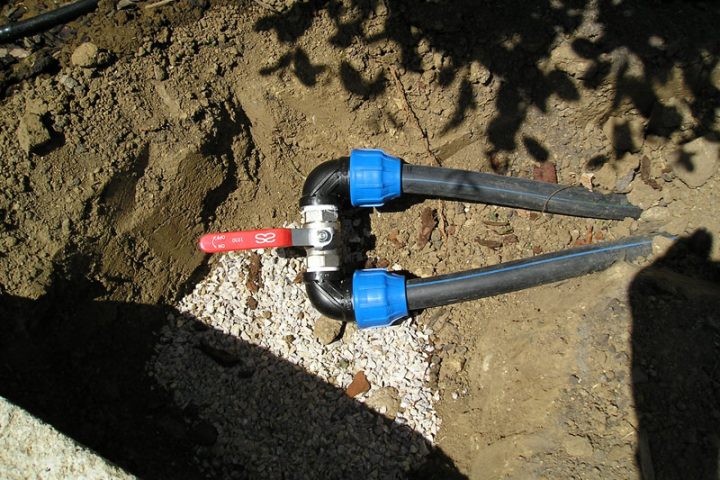
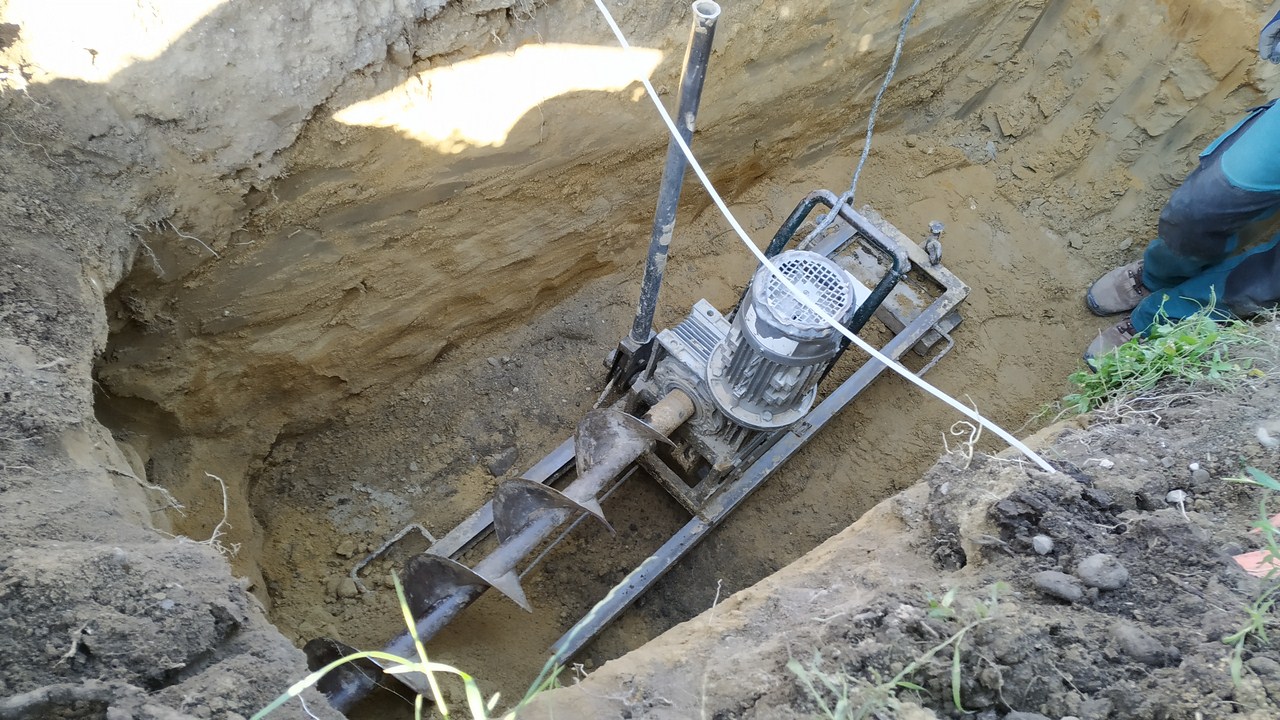
Lanik Energy Solution specialises in non-guided trenchless methods. The principle is a microtunnel — a bore — into which a protective duct is installed. In unfavourable ground the duct can be laid directly behind the ramming hammer. To secure the highest quality we use GRUNDOMAT machines by the German manufacturer Tracto-Technik.
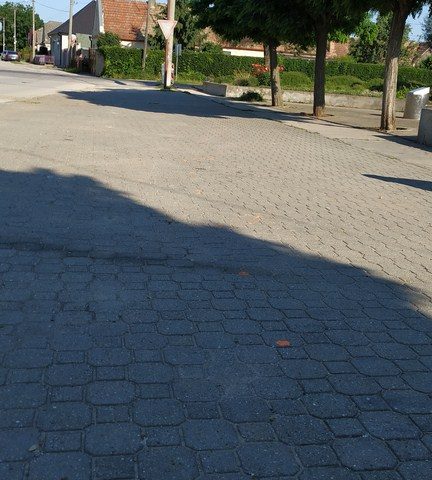
- Bores under roads, pavements and driveways
- House connections for water, sewer, gas and power
- Duct laid directly behind the hammer
- GRUNDOMAT machines (Tracto-Technik)
- Suited to soil and gravel ground
Technical parameters
Indicative values; the exact range is confirmed after a site visit.
| Method | Pneumatic / hydraulic hammer |
|---|---|
| Machines | GRUNDOMAT |
| Bore diameter | small profiles, house connections |
| Duct | PE, steel |
| Ground | soil, gravel |
Longer routes, crossings and a held gradient
Guided boring
We use guided boring where a straight pneumatic bore is not enough: longer routes, crossings of roads and railways, passages under watercourses, or built-up areas dense with existing services. The drill head is tracked and corrected continuously, so the route holds the designed line and gradient.
- Crossings of roads, railways and watercourses
- Routes under built-up and paved areas
- Continuous head location and correction
- PE and steel ducts installed
- Coordinated with setting out of existing networks
Technical parameters
Indicative values; the exact range is confirmed after a site visit.
| Method | Guided horizontal drilling |
|---|---|
| Diameter | up to DN 300 mm |
| Bore length | tens of metres, site dependent |
| Steering | head location |
| Duct | PE, steel |
How a non-guided bore runs
How it works

From the starting pit, the ramming hammer driven by compressed air is aimed under the obstacle — a road, pavement, driveway, railway or paved area. The hammer drives through the ground, compacting the soil around itself, and forms a microtunnel: the bore. A protective duct is then installed in it; in unfavourable ground we can lay the duct directly behind the hammer.
The route is set out beforehand and the direction is set in the starting pit, which the hammer then holds. Nothing above the route is excavated, so tree roots, the road surface and the traffic over the bore remain untouched.